Job Applicant Detail
Electroplating / Electroform: -
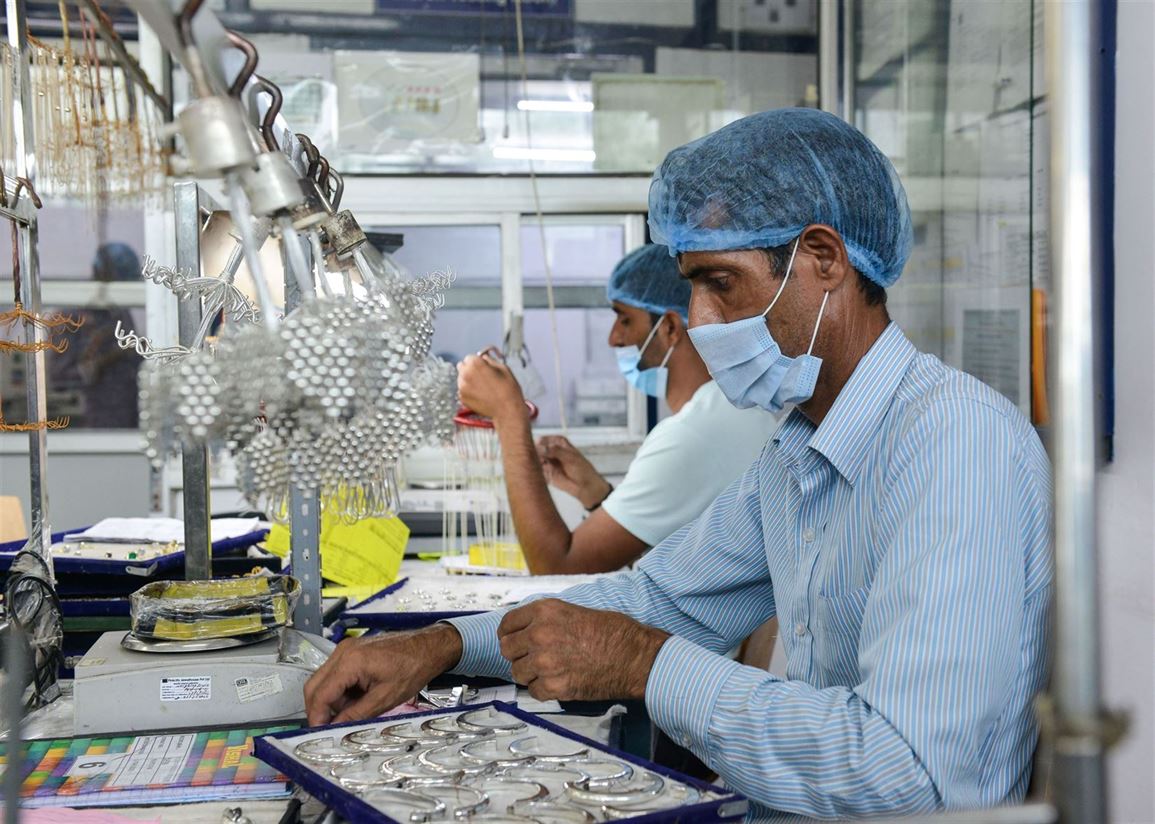
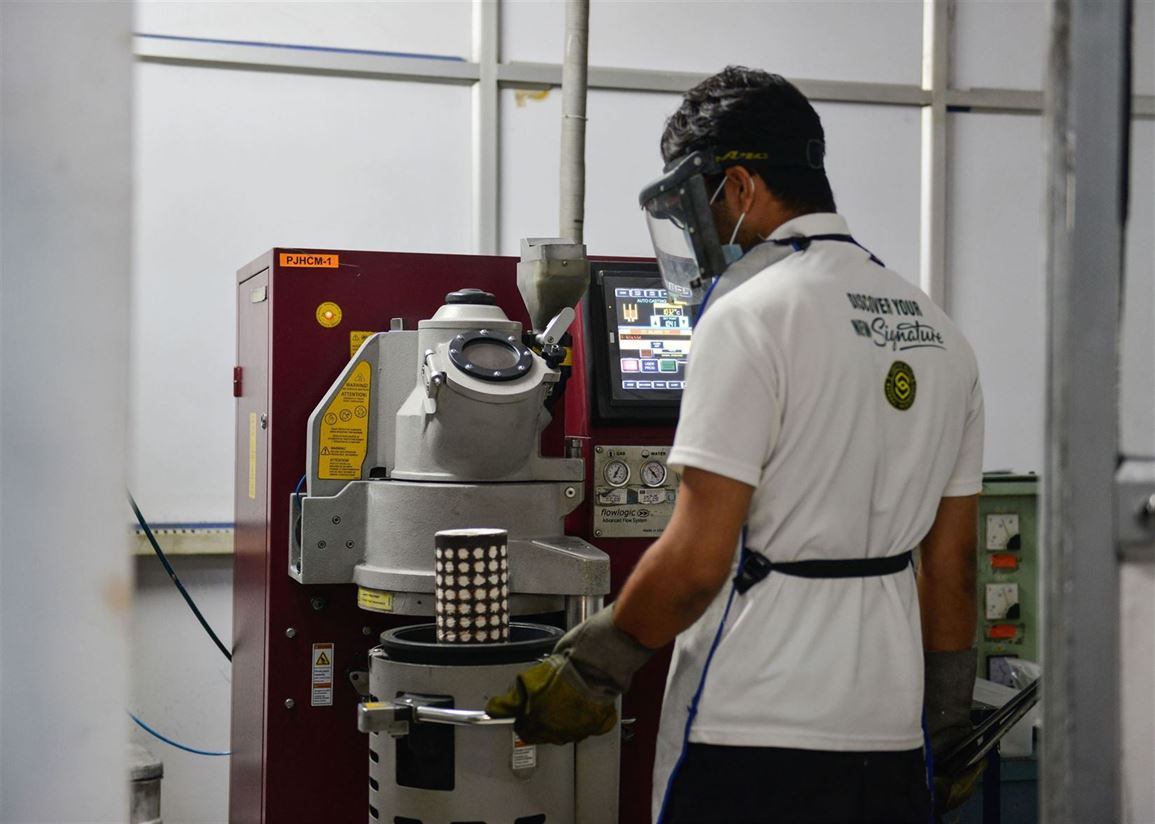
Objective: - The Electroplating Specialist is responsible for applying a metal coating to jewelry pieces using electroplating techniques. This role ensures that jewelry items meet the desired appearance, durability, and quality standards. It involves operating electroplating equipment, handling chemicals, and maintaining precision throughout the plating process. Electroplating Process Management, Solution Preparation, and Electroplaters coat objects in thin layers of metal by using the process of electroplating.
Electroplating Process:
· Electroplating process to ensure high-quality plating on jewelry items (e.g., gold, rhodium, silver, brass, or other metals)
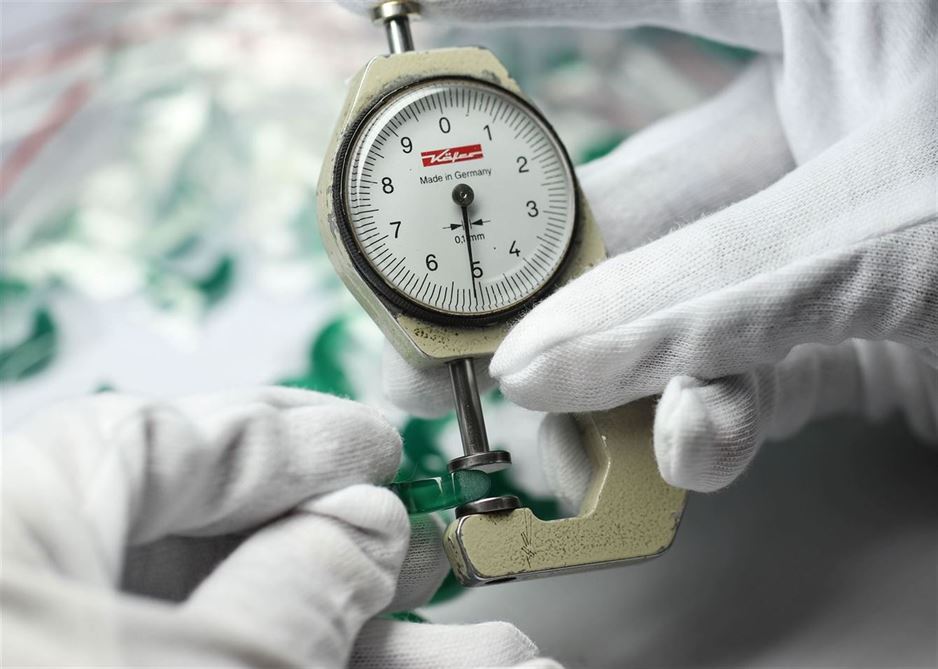
· Monitor plating thickness
· Maintain uniformity in plating and prevent defects such as peeling, uneven coating, or discoloration.
· A mold made of material with a higher melting point than the metal used.
· Electroforming solution for the chosen metal (gold, Silver, Brass, Zink, copper, etc.)
· Prepare copper wire for bus bars and Clamps
· Electroconductive paint.
· Acid-resistant bath containers with lids. · Prepare Metal anode.
· Prepare Additional supplies like red lacquer, electro-clean solution, acid drip solution, and brightener, depending on your project
Jigging (Cleaning Process):
· Jigs are highly conductive and hold many mandrels, which are taken to further process, Polished mandrils are fixed over SS sticks to form a Jig.
· Ultrasonic cleaning: - Using soap cleaning solution with Ultrasonic Vibration is used to remove dust, dirt, and fingerprints over the surface of the mandrel
· Electrolytic Cleaning: (Cathodic): Using a suitable alkaline solution as electrolytic cleaning media, Jewelry parts (Mandrel) are connected to the cathode and applying current, electrolysis of water takes place and evolves Hydrogen gas as bubbles and cleans the surface from scales, corrosion & oil, etc.,
· Acid Dip Cleaning: Dip Acid dip neutralizes the alkaline nature of electro-cleaned Mandrels and further activates the surface for good adhesion of gold or silver.
Forming Process:
· Pre-plating Process
· Electroforming Process
· Mandrel Removing or Emptying process
Solution Preparation and Maintenance
· Electroplating solutions by mixing chemicals in accurate proportions as per (SOPs).
· Maintain the chemical balance of electroplating baths regularly to ensure consistency.
· Conduct pH, temperature, and chemical composition tests to ensure plating quality.
Quality Assurance
· Inspect finished products to meet plating standards.
· Rectify defects in the electroplating process to minimize rework and wastage.
· Collaborate with Quality team
Equipment Operation and Maintenance
· Operate and monitor electroplating equipment.
· Schedule maintenance of plating tanks, anodes, rectifiers, and other equipment.
· Troubleshoot and resolve equipment-related issues promptly to avoid production delays.
Production Planning and Coordination
· Plan and manage daily electroplating schedules to meet production deadlines.
Inventory Management
· Maintain stock of chemicals, plating materials, and equipment spare parts.
Process Improvement and Cost Optimization
Training and Supervision
Health, Safety, and Environmental Compliance
· Follow and enforce safety protocols for handling chemicals and operating plating equipment.
· Ensure proper disposal of electroplating waste in compliance with environmental regulations.
· Conduct safety training sessions for team members to minimize workplace hazards.
Documentation and Reporting
· Maintain accurate records of plating activities, including solution compositions, plating thickness, and production output.
· Generate daily, weekly, and monthly reports on electroplating operations and share them with relevant department